
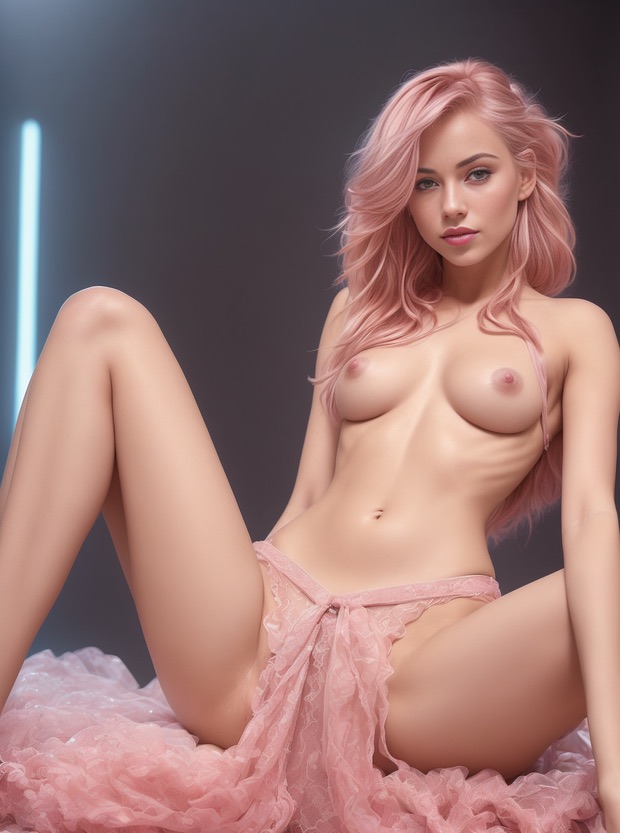
PROMPT ENGINEERING & CRAFT GUIDE
The Short Answer
Better AI prompts are specific, structured, and iterative. The largest quality gains come from front-loading the subject description, specifying camera and lighting parameters, utilizing negative prompts to strip unwanted artifacts, and anchoring character identities with seed locks and reference images rather than writing longer poetic sentences.
Contents
1. What a Prompt Actually Does
A prompt is the mathematical conditioning vector the model uses to guide latent denoising. Generative models map language tokens to spatial distributions learned during training. Because text encoders (CLIP / T5) prioritize early tokens, small structural modifications can drastically alter the final render.
USER PROMPT ────► TOKEN ENCODING (CLIP/T5) ────► CROSS-ATTENTION ────► LATENT DIFFUSION ────► OUTPUT IMAGE
2. A Reliable Prompt Structure
- Subject & Persona: Who or what is in the frame (physical traits, hair color, body dimensions).
- Action & Pose: What the subject is doing or how they are positioned relative to the camera.
- Setting & Environment: Location, interior/exterior backdrop, ambient atmosphere.
- Lighting & Optics: Volumetric lighting, rim light, shallow depth of field, 85mm lens perspective.
- Style Checkpoint: 4K raw photo, cinematic realism, anime/hentai style.
Formula Skeleton
[subject description], [pose/action], [environment], [lighting/camera angle], [style & quality keywords]
3. Negative Prompts
Negative prompts instruct the diffusion model which latent pathways to suppress. They are often more effective at eliminating anatomical bugs than cramming more positive adjectives into the prompt:
- Anatomical Errors:
extra limbs, malformed hands, fused fingers, distorted proportions - Quality Defects:
blurry, jpeg artifacts, low resolution, watermark, text - Style Drift:
cartoon, 3d render, illustration(when aiming for photorealism)
4. Character Consistency Techniques
Preserving character identity across different scenes is accomplished by combining:
- Saved Personas / Character Locks: Platforms like Candy AI lock facial identity across roleplay sessions automatically.
- Reference Images / FaceID: Uploading a face reference image (used extensively in Seduced.ai).
- Seed Locking: Keeping the same integer seed while making minor adjustments to camera angles or clothing.
5. Platform Differences
| Platform Type | Prompt Behavior | Recommended Strategy |
|---|---|---|
| Companion Apps (Candy AI, OurDream) | Conversational natural language | Use saved character profiles + short descriptive prompt additions |
| Prompt-First Studios (PromptChan) | Structured syntax & negative weights | Full multi-tag formula + negative prompt lists + community remixes |
| Layer/Control Studios (Seduced.ai) | Multi-layer extension stacking | Combine modular LoRA sliders with focused subject prompts |
6. Common Prompting Mistakes
- Excessive Wordiness: Stuffing 100+ adjectives introduces conflicting tokens and semantic noise.
- Contradictory Directives: Asking for "photorealistic anime" forces the diffusion model to compromise.
- Ignoring Seed Controls: Changing both prompt and seed simultaneously makes it impossible to isolate which change improved the result.
7. A Practical 5-Step Workflow
- Draft a clean 20-word subject + pose + environment prompt.
- Generate a 4-image batch to inspect initial composition.
- Add targeted negative prompts for any observed artifacts.
- Lock the seed or save the character identity once satisfied with facial structure.
- Iterate on lighting, camera angles, and wardrobe one variable at a time.
Platforms with Advanced Prompt & Control Tools
9. Frequently Asked Questions
What is the most important part of an AI prompt?
A clear subject description placed at the beginning of the prompt, followed by pose and lighting. Diffusion models give higher attention weighting to early tokens.
What does a negative prompt do?
A negative prompt tells the AI model what concepts and visual defects to suppress (such as extra limbs, blurry textures, or cartoon styling).
Why does the same prompt look different on different platforms?
Platforms use different base diffusion checkpoints, fine-tuned LoRAs, default negative embeddings, and CFG scale settings.
.jpg)
.jpg)